by artfty | Nov 22, 2022 | Paleontological Science
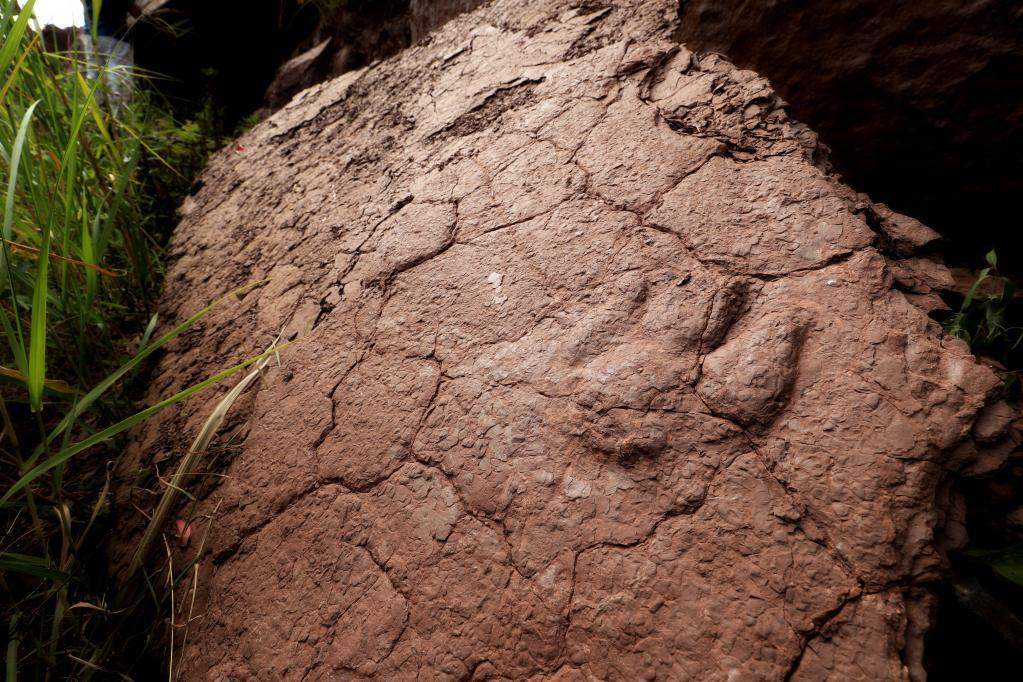
A rare dinosaur footprint fossil was discovered recently in Shanghang County, Longyan City, Fujian Province.
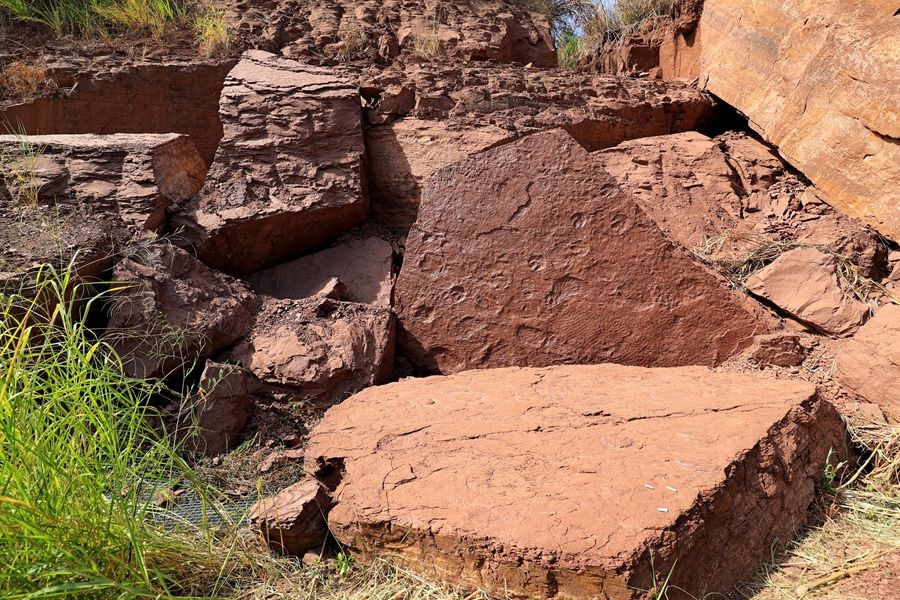
The new discovery site is located on the east side of and adjacent to the Late Cretaceous dinosaur footprint group in Longxiang Village, Lincheng Town, Shanghang County, Longyan City, Fujian Province. It is understood that due to the rock collapse, some new fossil specimens were exposed in place, including a pair of positive and negative plates (pairs of plates) preserved dinosaur footprint fossils, the concave and convex footprints on both sides correspond one by one, just like a set of open molds.
“The exposed fossil specimen covers an area of nearly 15 square meters and contains sauropod and theropod footprints, including those left by dinosaurs as they walked, as well as some clear symmetrical pattern marks, representing a lacustrine sedimentary environment.” According to Wang Xiaolin, a member of the National Expert Committee on Paleontology and Fossils and a researcher at the Institute of Vertebrate Paleontology and Paleoanthropology of the Chinese Academy of Sciences, such a large area of both positive and negative dinosaur footprint fossils has not been found anywhere else in China or even internationally.
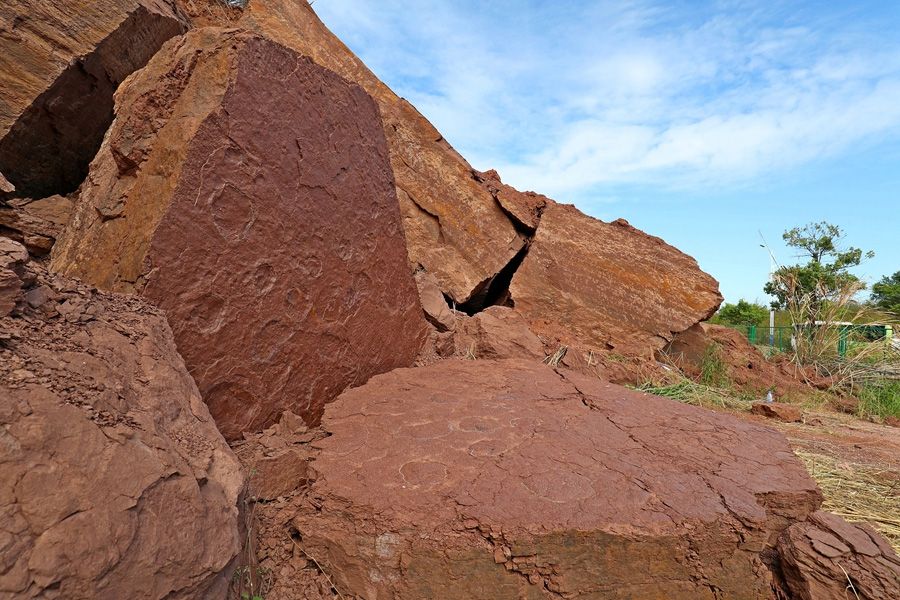
The exposed fossil specimen covers an area of nearly 15 square meters and contains sauropod and theropod footprints. Photo provided by Shanghang County Rong Media Center
Most of the dinosaur footprint fossils found at home and abroad belong to the Jurassic and Early Cretaceous, while those found in Shanghang belong to the Late Cretaceous and represent the activity remains of the last stage before the extinction of dinosaurs, which has important scientific value, popular science value and protection value, Wang said. Most of the fossilized dinosaur tracks found before had only one concave or convex face, and it is very rare to see both concave and convex faces.
According to the preliminary statistics of Wang Baopeng, an associate researcher at the Beijing Museum of Natural Science, who was also on the site of the investigation, the fossil contains more than 30 tracks of six kinds of dinosaurs. The number and clarity of the preserved fossils are also very rare, which is of special significance for the study of the living habits and living environment of the Late Cretaceous dinosaurs.
It is reported that the Shanghang dinosaur footprint group fossil was first discovered in November 2020, which is one of the late Cretaceous dinosaur footprint groups with the highest diversity found in China, and the first discovery of dinosaur-related fossils in Fujian Province. So far, a variety of dinosaur footprint types have been found and at least four layers have been found, proving that dinosaurs had a long life history in the area.
by artfty | Nov 14, 2022 | Paleontological Science
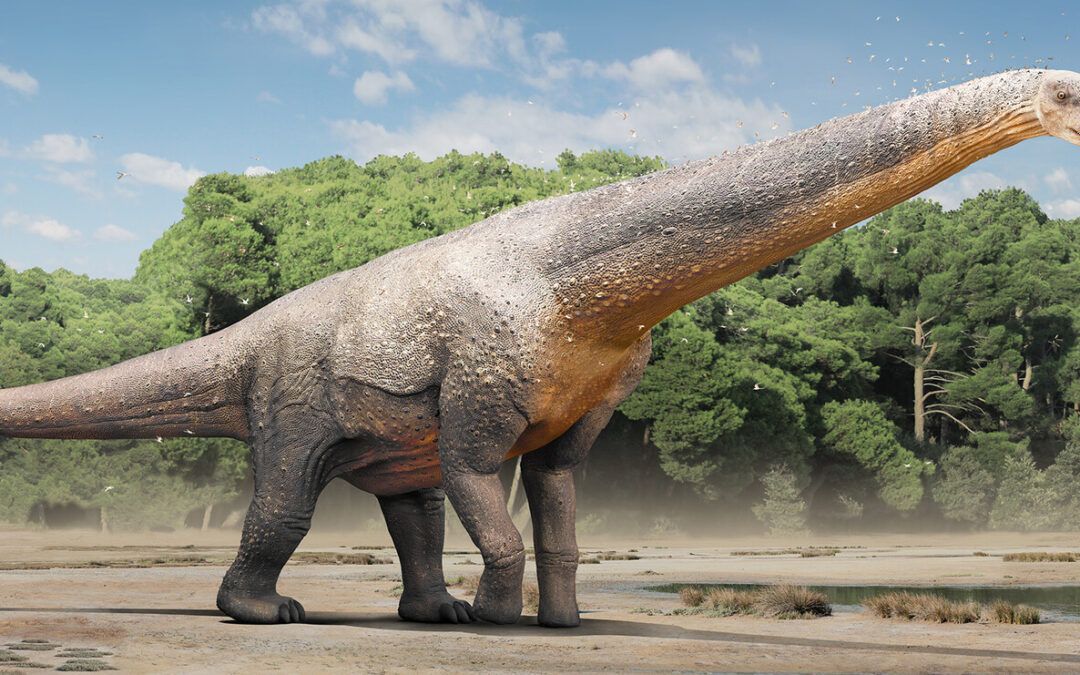
Dinosaurs are a childhood memory of many people. No matter in museums, illustration books or toy models, they all vividly show us the appearance of dinosaurs, and the image of Tyrannosaurus Rex is deeply rooted in people’s hearts.
However, until now, humans have not had a single photo of a dinosaur, and only 90% of the most complete dinosaur skeleton has been restored. Besides the skeleton can be used as a solid scaffold, paleontologists have only pieced together the creation through the fragments of feathers and skin fossils.
Dinosaurs — Majestic Gestures:
The joints of a dinosaur’s bones represent the posture that dinosaurs could have achieved. By studying the bones of dinosaurs, paleontologists can infer the spine of dinosaurs and thus get the posture of dinosaurs standing.
Although bones are important, in the absence of cartilage and connective tissue, it’s difficult to accurately simulate dinosaur movements, so most dinosaur postures are guesswork.
Dinosaurs — Strong muscles:
Based on living reptiles on Earth, paleontologists speculate that dinosaurs did not have much body fat, and that their close relatives to birds made birds an important reference for muscle and skin tissue.
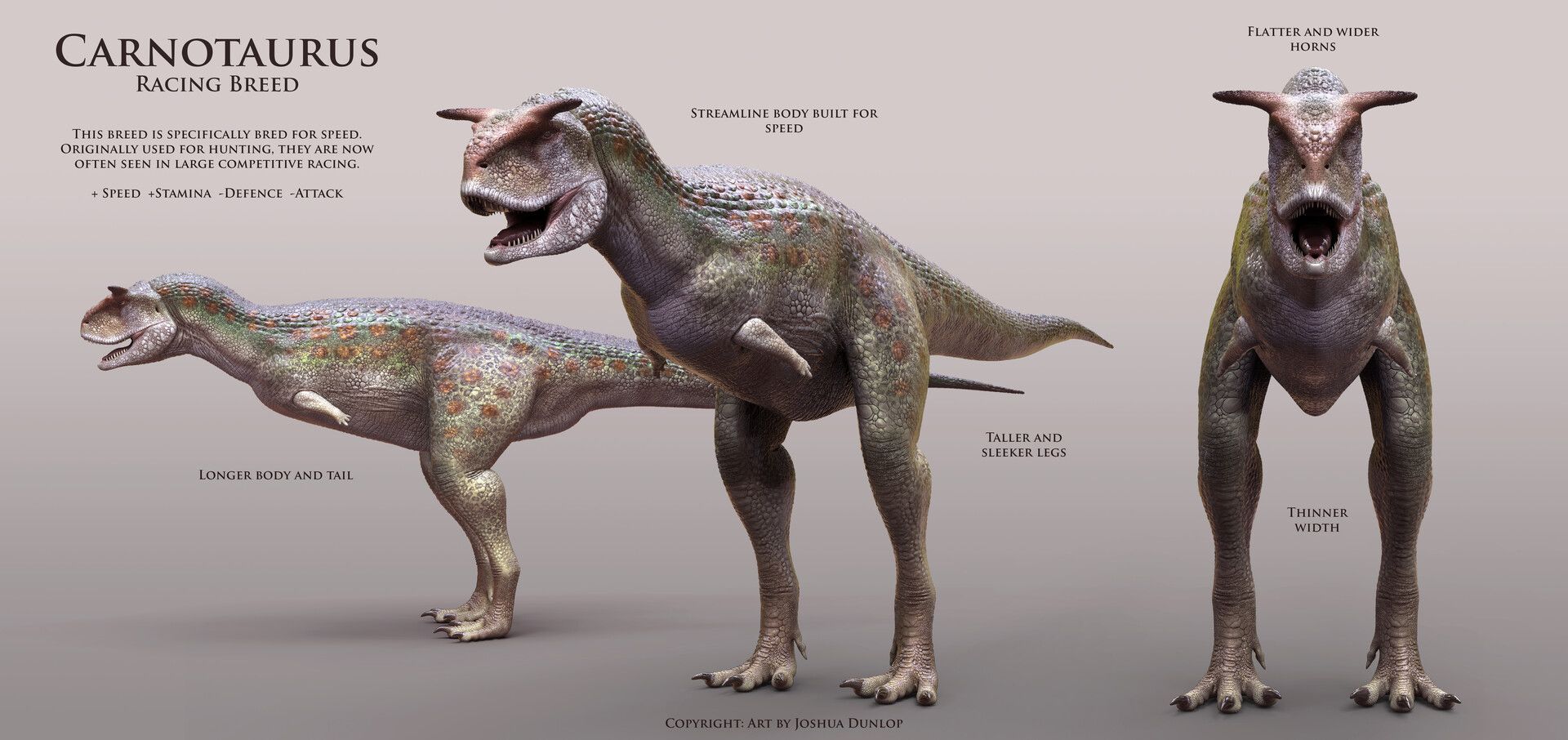
Based on the dinosaur’s habit of crushing prey, paleontologists filled the jaws with muscle to create the thick neck.
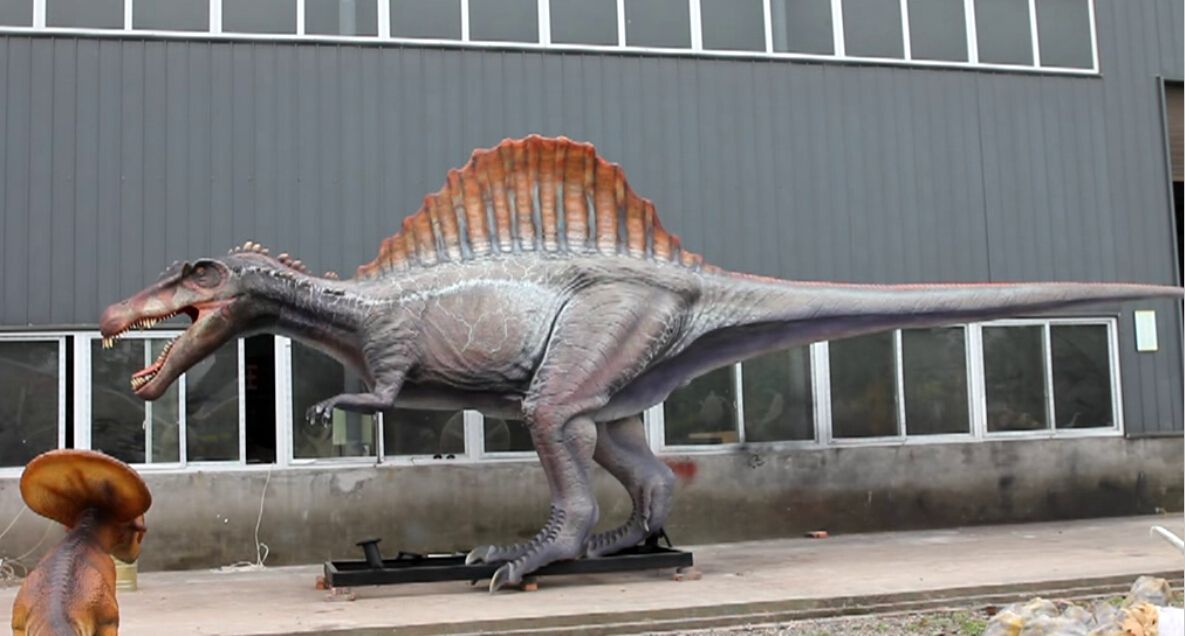
Dinosaurs — iconic heads:
The head bones of dinosaurs are very similar to those of crocodiles, but there are many differences.
Dinosaurs were terrestrial reptiles, and in order to stay on land for long periods of time, paleontologists think they may have been able to store water in their heads, similar to lizards.
With the reference to lizards, the heads of dinosaurs began to crystallize.
In order to store water, the mouth of a dinosaur is similar to the mouth of a lizard. The skin and eyes are similar to those of a lizard. The research can be tilted forward to locate targets in all directions.
Dinosaurs — Strange limbs:
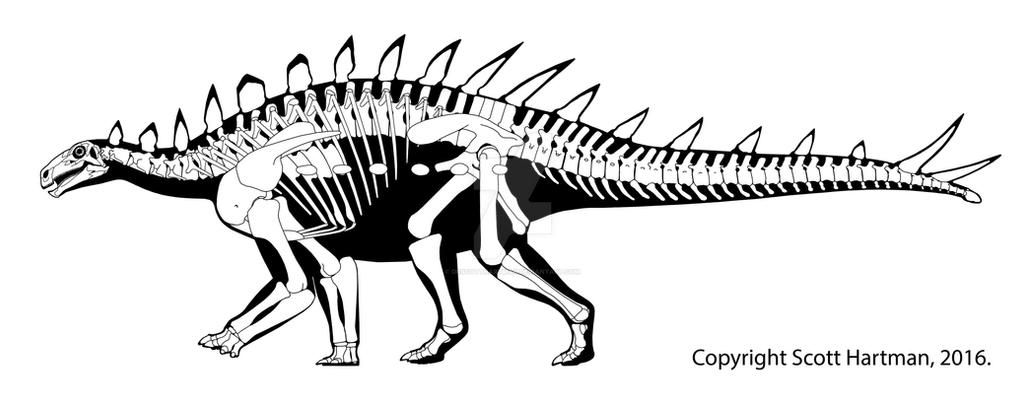
When you see a dinosaur for the first time, you notice the strange limbs — thin arms, thick legs.
The limbs of dinosaurs are also references to bones and birds, where the forelimbs of dinosaurs degenerate and the forelimbs of birds may evolve into wings. In fact, new research has found that dinosaurs’ forelimbs reversed direction as they evolved. Tyrannosaurs had their palms turned downward, while later creatures gradually turned their palms upward.
This may be a trend that led to the evolution of birds.
Dinosaur — lizard skin, bird feathers:
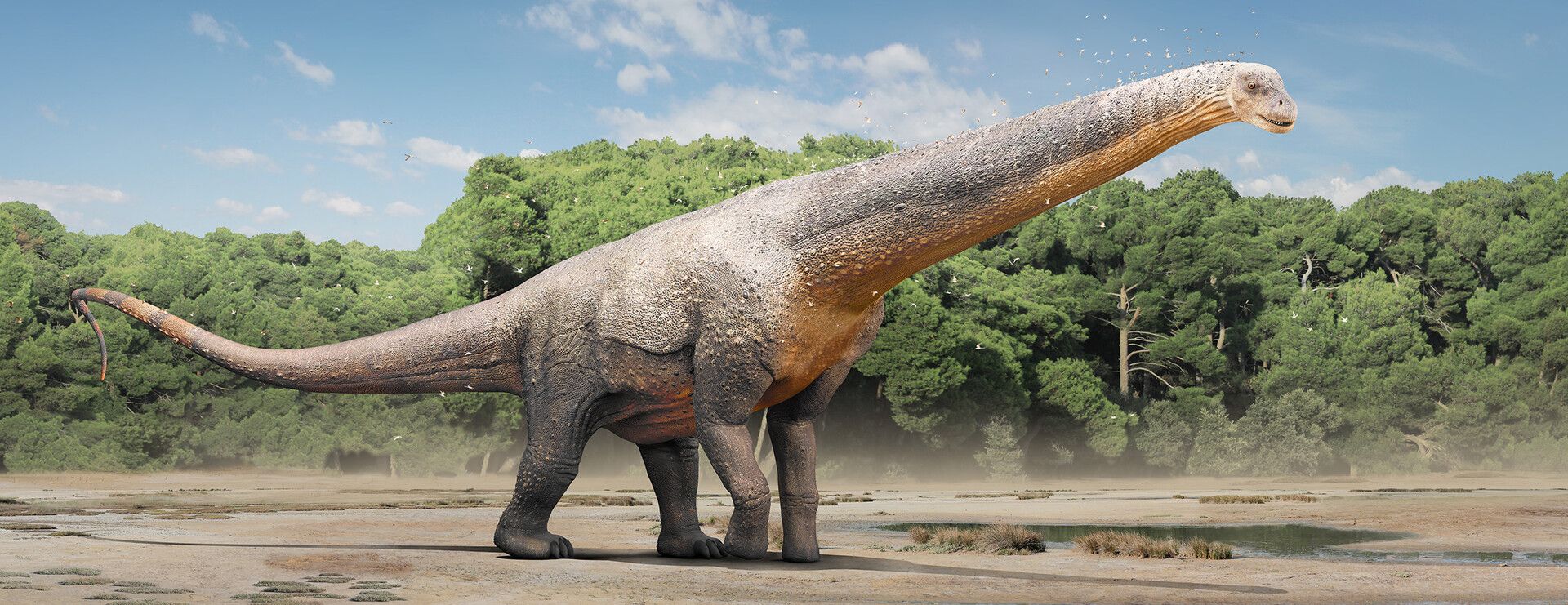
Skin and feathers are so difficult to preserve that only a glimpse of them can be seen in fossils.
The skin of dinosaurs is not calculated by paleontologists, but mostly comes from artists’ understanding of fossil textures. The skin fossils of dinosaurs in Montana are combined with artists’ designs to form the body skin of dinosaurs.
Designing the texture of the dinosaur’s skin is easy. The real challenge is locating the color of the dinosaur’s skin.
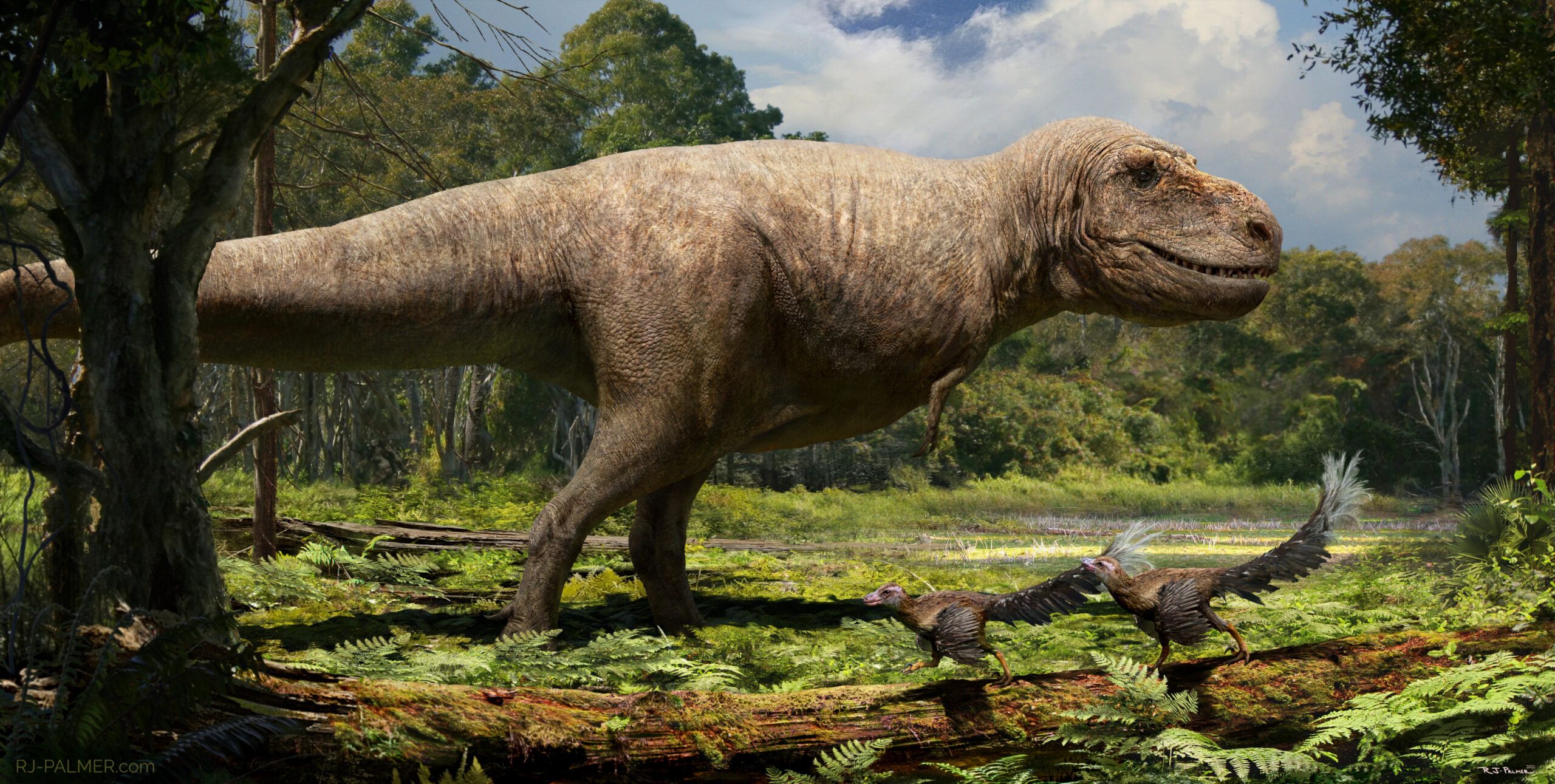
Fossils can’t retain skin color significantly, so paleontologists can only guess the skin color of dinosaurs based on their living environment. For example, Tyrannosaurus Rex lived in semi-swamps, so its skin color might have been brownish green.
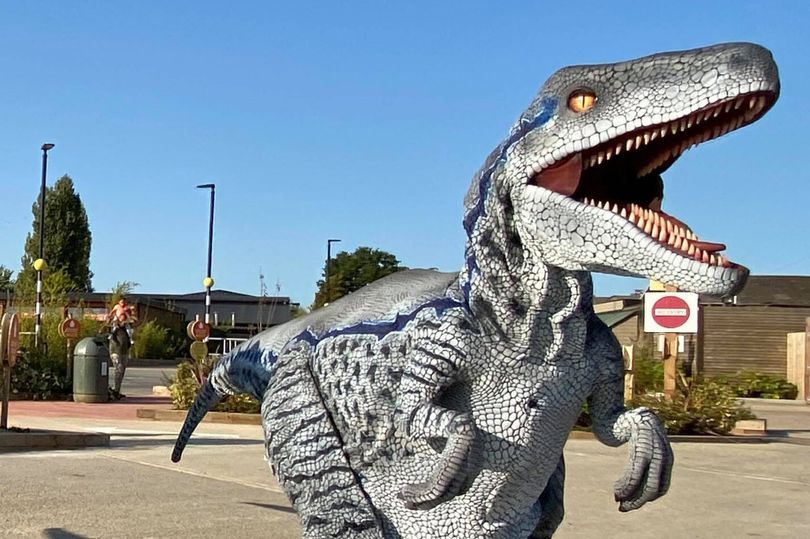
The discovery of fossilized feathers led to a relationship between dinosaurs and birds.
No dinosaurs have been found with definite feathers, but paleontologists like to add feathers to the heads, backs and tails of dinosaurs.
It can be said that the collocation of dinosaurs and feathers is completely an artistic act.
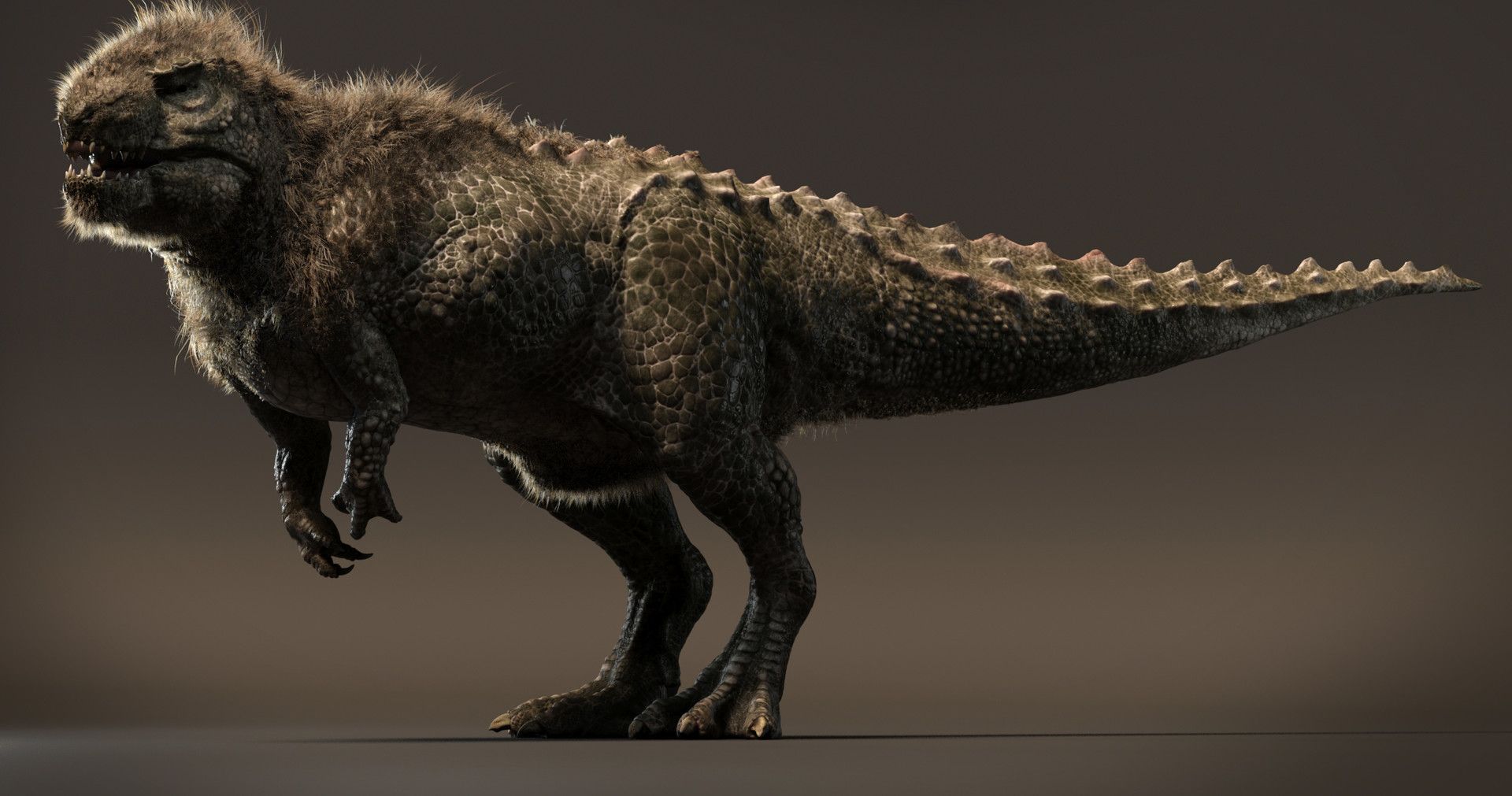
Dinosaurs, like dreamlike creatures.
No photographs, no records, only bones, skin, feathers fossilized. Modern models of dinosaurs are actually closer to the aesthetic of artists and paleontologists.
by artfty | Nov 14, 2022 | Our Product Introduction
How to Make Dinosaurs More Realistic
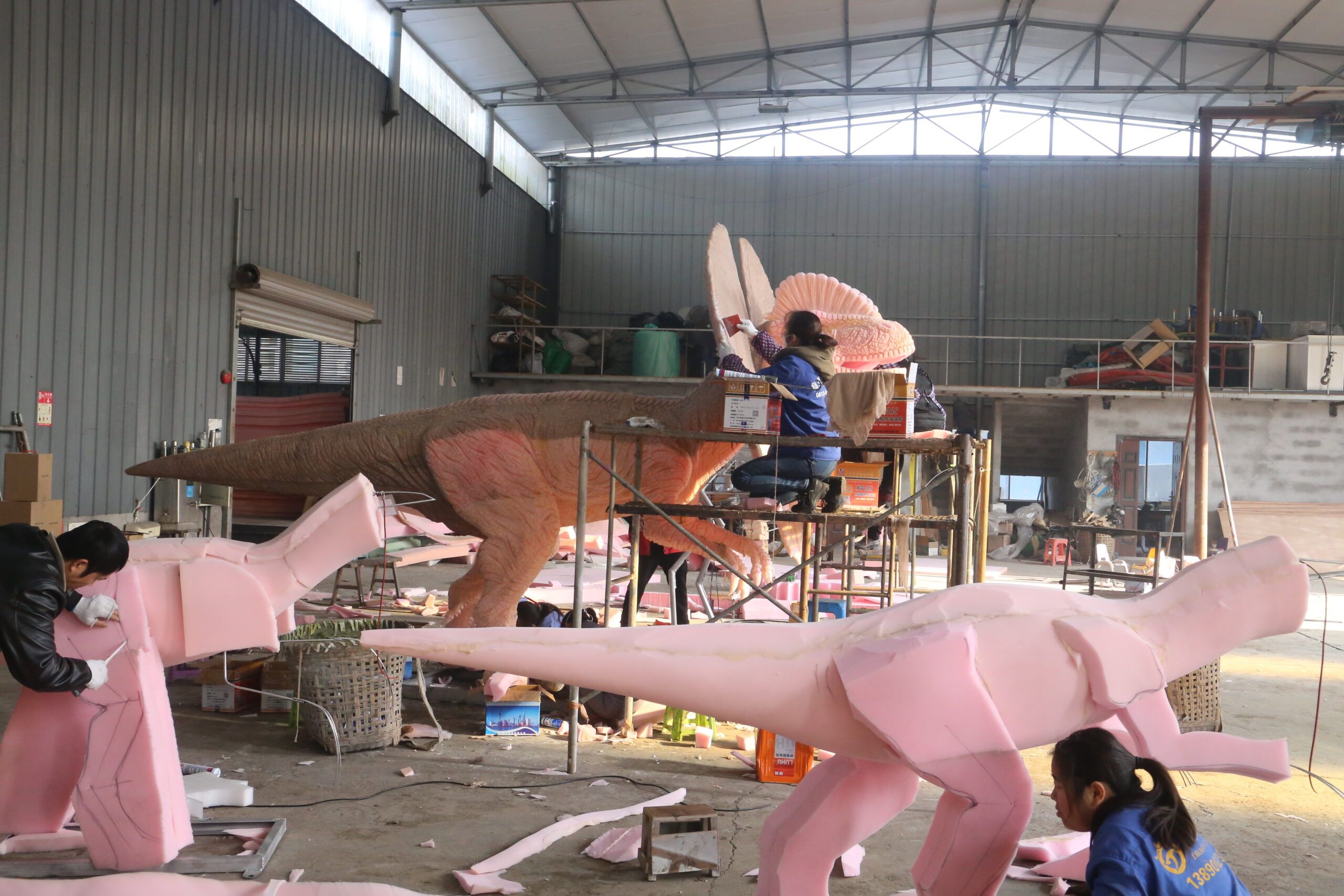
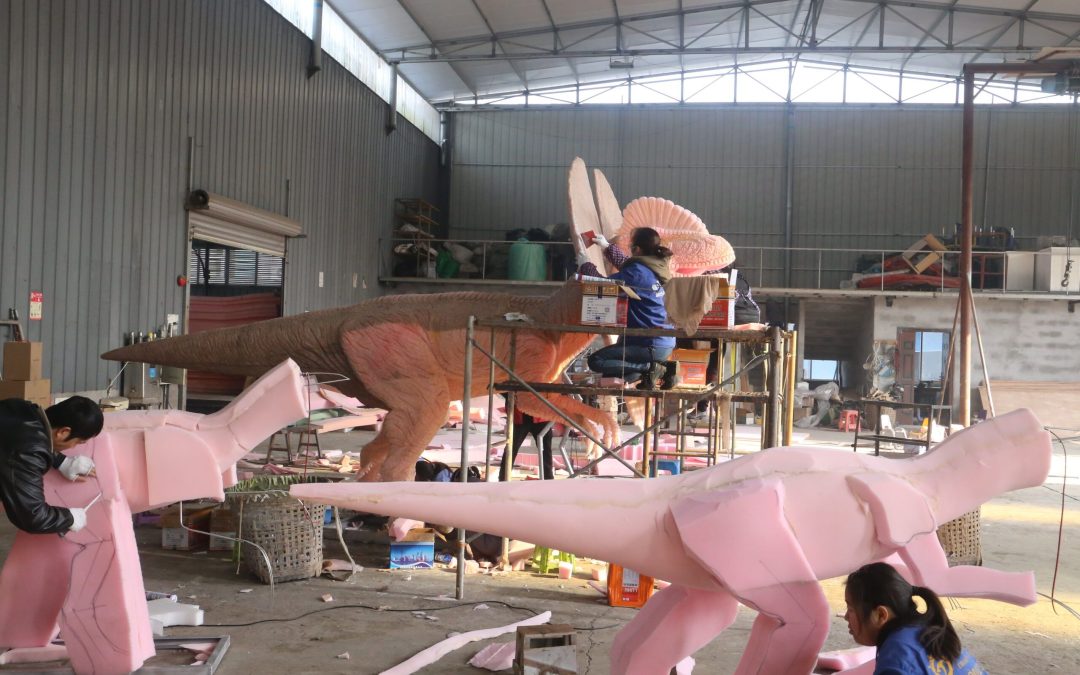
When creating a dinosaur model, you might be wondering how to make them more realistic. There are many different ways to make a dinosaur look more realistic, including using special effects and animatronic puppetry. The details in a dinosaur model can be quite detailed and realistic. If you want your model to be as lifelike as possible, you should consider filming the creatures.
Outline drawing
There are several steps you can take to make your dinosaur outline drawing look more realistic. First of all, make sure you have a head and a body. Add shadows to these areas to make the drawing more realistic. Add some details to the tail and rear feet. Make sure to include small scales on the body. You can also add shadows to the mouth.
Draw the body of the dinosaur by starting with a line that goes from left to right. This line should be long enough to cover the back of the dinosaur’s neck and start the tail. Next, draw a curve on the left side that connects to the middle ovals on the body and the neck.
To make the outline of the foot of the dinosaur more realistic, draw a small half circle slightly behind the foot. It will give the illusion of depth and one foot in front of the other. Once you have this done, draw the rest of the foot. If you would like your dinosaur outline drawing to be more realistic, you should use a shading tool that creates a darker shade of brown.
Now, when drawing dinosaurs, remember that kids’ minds are like sponges. They love to absorb as much information as possible. Recent studies have even shown that a child’s fascination with dinosaurs could improve his or her intelligence. These prehistoric animals make for great toys, books, videos, and art subjects. If your child is interested in dinosaurs, it will be a great idea to get him or her to draw one. Fortunately, these extinct creatures are relatively easy to draw.
Design of steel frame
The designers of Dinosaur Park have created a striking entrance structure that looks like a mitosis – the biological process that gives life to animals. The steel frame is made of 1,389 steel tube members connected by 269 joints. It contains 84 tons of steel. The steel frame is covered with a translucent roof with an overall surface area of 2,300 square meters and 463 ETFE foil cushions.
Design of movements
When designing movements for dinosaurs, engineers must consider a dinosaur’s weight and position. This is crucial because the dinosaur needs to be stationary but must also have pneumatic motions. Students should also research the movements of dinosaurs of different time periods to create realistic movements. They should also ask questions about dinosaur design and decoration.
Bipedal dinosaurs used tails to help them walk and run. Previous studies focused on their legs, but scientists believe that tails played an important role in controlling angular momentum. They also used the tails to help them move through the water. The tails also played a role in helping the dinosaur stay balanced as the body shifted.
Dinosaurs also had stiff backs and had their trunks sloping while running. This might have reduced their moments of inertia. However, the fact that their backs were rigid has led to the assumption that their movements were rigid. Despite this common misconception, Henderson & Snively (2004) have shown that the moment of inertia of dinosaurs were higher when the back was straight.
The authors of both studies analyzed the center of mass for several dinosaurs. They also used a solid-plastic model of a Tyrannosaurus, and they applied a correction for the air-filled volume of the lungs. However, these authors noted that there were possible errors in the estimates of the center of mass because the models of these creatures were inaccurate. This error would, however, be minimal when the correct posture of the dinosaur is assumed.
Selection of raw materials
There are different materials used in making dinosaur costumes. The type of material used will determine the appearance and quality of the costume. The most realistic costumes are made of rubber, which has an attractive texture and peculiar imprint. Most dinosaur masks are made from this material. In addition, the color of the material closely matches that of the dinosaur’s skin. This material is also used in adult costumes and is ideal for parties, carnivals, stag and hen parties, advertising, events, and more.
Meticulous carving technique
A careful carving technique can make your dinosaurs look more realistic. You can also add more details to your model by using different tools, such as soldering iron and a Dremel tool. For instance, you can add creases and lines on the skin. Moreover, you can use different colors to add more realism.
Perfect color reproduction
To make dinosaur models look more realistic, it’s important to capture the nuances of color. This is especially true for paleontologists. There are several factors that contribute to the color reproduction of fossils. For instance, paleontologists have to take into account the amount of pigment, which can vary greatly from dinosaur to dinosaur. Fortunately, there are methods that make this process easier, and the results can be astounding.
One way to make the colors of dinosaurs more realistic is to make the dinosaurs have real feathers. However, fossilized feathers have a distorted appearance, which makes them appear different colors. However, scientists have been able to recreate the color of feathers based on their size, shape, and distribution of pigment-bearing organs. Maria McNamara, a paleontologist and an expert in fossilization, is responsible for this research.
To achieve this, paleoartists study the color of dinosaur skin. To do so, they use a special laser to illuminate a specimen. They also use an electron microscope to determine whether the scales are made of calcium phosphate. To further understand the color of a particular dinosaur, scientists also studied its melanosomes, which store pigments in cells and tissues.
The process used to create a dinosaur’s skin involves equal parts imagination and science. Csotonyi initially experimented with acrylic paints and pastels when creating dinosaur models as a hobby. However, he soon realized that digital techniques could be more accurate. Moreover, the artist relies heavily on photography to create his dinosaurs.

by artfty | Nov 7, 2022 | Paleontological Science
Learn how Jurassic Tyrannosaurus Rex hunted for prey and how its bite and sense of smell helped it identify prey. This article explores the prey ecosystem of Jurassic Tyrannosaurus rex and gives you the scoop on its parents, sense of smell, and bite.
Jurassic Tyrannosaurus reX ecosystems are characterized by diverse predators. Large-bodied theropods are regarded as active terrestrial predators, while fish-eating dinosaurs may have been obligate scavengers. Based on several independent lines of evidence, scientists have reconstructed the nutritional ecology of both groups.
Many large predators, including lions and hyenas, prefer fresh meat. However, some dinosaurs had a distinct advantage: they had much larger jaws and a much stronger bite. They also had more powerful jaw muscles and a large number of teeth that were serrated on both the front and back edges. Their arms were relatively short compared to their bodies, with only two clawed fingers on each hand. However, their hind legs were massive and powerful. Females also tended to have bigger and stronger hind legs than males.
Tyrannosaurus rex is a large carnivore. It is a highly aggressive species that hunts other large dinosaurs in short bursts of speed. It also eats carrion and scavenges for carcasses. The male is very territorial and aggressive toward rival males.
Tyrannosaurus rex is an iconic predator and the most dangerous dinosaur ever found on land. Its preferred prey included ankylosaurs, hadrosaurs, and other animals. The dinosaur’s range was wide, ranging from the continent to the arctic islands.
Predators in the Jurassic tyrannosaurus rex ecosystem included smaller carnivorous dinosaurs. The abundance of carrion in this ecosystem would have allowed T. rex to survive despite its large size. A scavenger would have fewer resources to devote to hunting and therefore would have had to rely on carrion.
The presence of scavengers in the Tyrannosaurus rex ecosystem has important implications for the macroecology of the Jurassic Tyrannosaurus era. In contrast, a large portion of the population was mainly composed of hunters.
Researchers trawled databases of fossil discoveries and calculated the distribution of different predators. They found that smaller animals were more likely to encounter Tyrannosaur carcasses than adults. Smaller predators, such as feet-footed dinosaurs, were 14-60 times more likely to find a carcass than an adult T. rex. Therefore, the Tyrannosaurs had little to eat.
Its bite
Researchers have calculated the force of a Jurassic Tyrannosaurus Rex bite at nearly 8,000 pounds, which is more than twice as much as a lion’s bite. They derived these numbers using CT scans of fossilized T. rex skulls and a computer model. Then, they compared these results to the bite force of modern alligators, crocodiles, and birds.
The jaws of a Tyrannosaurus Rex are so powerful that they can break bones. They can also detect prey miles away, which explains how fast this dinosaur can hunt. The predator also used its massive head to ram opponents. This means that a male Tyrannosaurus Rex would need to be in top form to throw a rival male off its territory.
The force of a Tyrannosaurus Rex bite increased with size. Consequently, it was able to hunt bigger dinosaurs. Its bite force was as much as 114 times stronger than a human’s, and the force of the teeth could easily shatter bones.
Despite the fact that it can still bite humans, the bite of a Tyrannosaurus Rex isn’t nearly as painful as it was when it was younger. Although Rexy’s eyes weren’t as bad as they were when she was young, she was accustomed to living in captivity.
As the king of dinosaurs, the Tyrannosaurus Rex is aggressive. Its high levels of testosterone mean that it is more aggressive than other dinosaurs, and it can become enraged in a matter of seconds. This behavior is very characteristic of the male Tyrannosaurus Rex, as it fought for territory and mates.
The first Tyrannosaurus Rex was bred on the Isla Sorna in 1984, and they were intended to be the star attraction of Jurassic Park. Unfortunately, the park’s workers weren’t able to deal with the animals well, so they moved the park to Isla Nublar. However, it was a tricky job to transport the animals to the new island, and only one T. rex was transported with the park. Some workers managed to free the animals.
Its parents
The Jurassic Tyrannosaurus Rex was a large predatory dinosaur. The species ranged over a large area, including the la Pradera plains and the Sierra San Fernando. Its habitats included coastal and island subtropical areas, jungles, and semi-arid plains.
The Tyrannosaurus is a carnivore, a warm-blooded predator that attacks its prey in a rapid burst of speed. The adults will finish off their prey, often in seconds. The Jurassic Tyrannosaurus Rex ate a wide variety of prey, including Triceratops, Edmontosaurus, Galimimus, and Parasaurolophus. It also hunted small mammals, cattle, and herds of goats. The male Tyrannosaurus was a dominant predator, and it may have attacked other males in order to take their territory.
Although the Jurassic Tyrannosaurus Rex was a powerful predator, its diet was primarily composed of prey that had died. It fed on the carcasses of other animals, including birds. It would have preferred prey on smaller animals than bigger ones, but it could also have hunted larger ones.
Scientists think that the adult and juvenile Tyrannosaurus Rex had different body proportions. The adult Tyrannosaurus rex would have been the largest predator, able to crush its prey with its jaws. Juveniles, on the other hand, may have used their arms for grappling.
Tyrannosaurus Rex was also bigger than other dinosaurs. It was the biggest dinosaur and was known as the king of tyrants. It was larger than Albertosaurus, Daspletosaurus, and Gorgosaurus. It had good vision and good hearing, and it was a capable hunter.
Juveniles of Tyrannosaurus Rex are rarely found. Its size makes it unlikely that it hunted large duckbills alone. It is much more likely that it hunted small prey on its own. A study by University of Wisconsin Oshkosh paleontologist Joseph Peterson suggests that T. rex was developing its adult abilities when it died.
Researchers have identified several prey items with bite marks. Although these bite marks did not always kill the animal, they can still help in determining whether the predator is capable of cannibalism.

by artfty | Nov 3, 2022 | Paleontological Science
How People and Dinosaurs Get Along If Dinosaurs Come Back to Life
Bringing dinosaurs back to life would present a number of ethical dilemmas. For instance, if humans were to clone dinosaurs, would they be able to adapt to our climate and environments? Would they be invasive species? The answer to these questions depends on the specific species. While some dinosaurs could become invasive, others would likely never gain a foothold. Dinosaurs and mammals were once anonymous vermin during the Age of Dinosaurs. However, after an asteroid hit the world, mammals were liberated from dinosaur shackles and began to spread around the globe. Though they are similar in many ways, dinosaurs, and mammals do not get along very well as apex species. For example, big dinosaurs would outmuscle most modern mammals, while small dinosaurs would be
Bringing dinosaurs back to life would be an ethical dilemma
Bringing dinosaurs back to life would pose many ethical problems. The first problem would be that reviving dinosaurs would be like introducing invasive species into a modern environment. If the dinosaurs were allowed to roam freely in the wild, they would probably become aggressive and start killing humans. There is no way that bringing dinosaurs back to life could guarantee their safety or prevent them from becoming dangerous. Moreover, it would be difficult for these creatures to adapt to our climate and environment.
Another dilemma would be how to breed these creatures. It would be difficult to find dinosaur DNA. Even if scientists are able to do that, they will still need a modern animal to work with. This means modifying chickens or another animal. It would also be very expensive and difficult to breed these dinosaurs. If it is feasible, it would be much better to breed these dinosaurs in an environment that mimics the environment in that they were once living in. However, the question would still remains about whether such a method would be ethically sound.
But the dangers of bringing these extinct creatures back to life are too great to ignore. A de-extinction project aimed at bringing back the woolly mammoth and the vomiting frog could cause ethical problems. Bringing dinosaurs back to life would be extremely difficult, but if a dedicated scientist succeeds, it could be done. In the end, it would be much more beneficial to save other species from extinction.
The process of fossilization destroys DNA and causes it to irreparably deform. Furthermore, DNA has a half-life. Scientists have been trying to find dinosaur DNA in fossilized bones for the past 25 years, but have had very little luck. In fact, the oldest DNA recovery has come from sub-fossilized bones and permafrost.
Bringing dinosaurs back to life would be a major ethical dilemma, but the science behind it is very promising. While many dinosaur fossils are too well preserved to bring back to life, the scientists who study them are still uncertain about whether these creatures were birds or reptiles. They only know a few species, so paleoartists must make educated guesses.
Using frog DNA to fill in the missing pieces in dinosaur DNA
The theory is based on the fact that dinosaur DNA is a string of several billion letters, and a single gap in the chain can ruin the entire picture. However, using frog DNA to fill in the gaps is not necessarily the best option, as it could have detrimental effects on the embryo. Instead, using bird DNA is more likely to be safe, since bird DNA is more closely related to dinosaur DNA than frog DNA is.
In the Jurassic Park movie, scientists used bits of frog DNA to fill in the gaps in the dinosaur genome. This is because dinosaurs are believed to have been able to breed and change sex, a trait that frogs didn’t have. The movie was released in 1990, and the author wasn’t a paleontologist, so he was not able to do extensive research on the subject.
The problem is even more complicated since most of the DNA in the dinosaur genome is ‘junk’. Scientists must find other sources to fill in those gaps. However, a frog’s genome is 3 times larger than a bird’s genome. This extra genetic material may make the process of finding dinosaur DNA easier.
If a frog’s DNA matches those of dinosaurs, scientists could use it to de-extinct a dinosaur. However, scientists must be careful to avoid errors, because DNA can get shuffled during evolution. A single mistake could alter the DNA sequence of a large dinosaur.
The idea of using frog DNA to fill in the missing gaps in dinosaur DNA isn’t very practical. In order to do this, scientists would need to use a living dinosaur egg or cytoplasm and implant the new DNA in the dinosaur’s egg. That is highly unlikely.
But even if scientists aren’t able to find dinosaur DNA from dinosaur bones, they might be able to find it in insects preserved in amber. Some of the insects preserved in the amber contained dinosaur blood.
Chances of finding intact DNA fragments suitable for cloning dinosaurs
DNA is a complex material that encodes genetic information. It is composed of millions of base pairs, which are strung together in a specific sequence. This makes it difficult to find DNA fragments from dinosaurs. As a result, cloning dinosaurs is unlikely.
However, DNA fragments from a living dinosaur could be used to create a hybrid creature. It would not be a true dinosaur, but it would be a cross between a reptile and a bird. This is what scientists tried to create in the “ Jurassic” movies.
Scientists have also discovered that DNA from dinosaurs may be preserved in fossils. This could allow scientists to study the dinosaurs’ physiology and evolution. But a multi-university team has concluded that the chances of finding intact DNA fragments from an ice-age dinosaur were slim.
The discovery of intact DNA fragments from dinosaurs is still a long way off. Scientists have to successfully replicate the biomolecules found in fossils. But scientists are optimists. Finding dinosaur nucleic acid could be the key to cloning dinosaurs and creating a real Jurassic Park.
Another important step in cloning dinosaurs is the study of the genome of modern birds. Modern birds contain DNA from dinosaurs, and if the genes are preserved, they can be reactivated. This research could also lead to the discovery of DNA fragments from dinosaurs. This would enable scientists to develop new species that have more dinosaur-like traits.
Although the DNA of dinosaurs in fossils is not easily available, scientists have found DNA fragments in ancient mammals. These are less than 2 million years old. But there’s no guarantee that they’ll be usable DNA fragments for cloning.
However, scientists are trying to develop new ways of cloning dinosaurs. They’ve already cloned frogs, but scientists don’t have a DNA fragment from the Tyrannosaurus rex. However, this process is very complicated and involves hundreds of nuclei from living cells. Nevertheless, technology still stands a chance of making the dinosaurs we want.
The DNA of dinosaurs is not easily accessible because it’s fragile. Moreover, it’s extremely difficult to read ancient DNA fragments. So, scientists have devised an innovative method to find DNA fragments in dinosaur fossils. But there are some hurdles along the way. First, DNA fragments must be decontaminated. Secondly, dinosaur fossils are buried beneath sediments, making it difficult to find DNA fragments.
Adapting to modern-day environments and climate
While dinosaurs are not as adaptable as humans, they are still adaptable enough to survive a change in climate and environment. During the Cretaceous Period, temperatures were higher than they are today, and CO2 levels were four times higher than they are today. While we don’t live in a climate like this now, it was still a drastic change for dinosaurs.
Recent studies have uncovered evidence that dinosaurs lived and nested in colder areas. For example, the discovery of a tiny jaw in the ancient rock record of Alaska suggests that dinosaurs lived in these regions year-round. Moreover, microscopic features of polar dinosaur bones indicate that they slowed their growth during the colder seasons. This has led to further speculations about how dinosaurs adapted to climate change.
In the past, dinosaurs lived in many different environments, including humid wetlands, swamp forests, and arctic regions. These environments were vastly different from the current plains, and they were covered by primitive shrubs and plants. These habitats eventually broke apart into separate continents and created the modern-day arrangement of land.
Recent studies of human DNA have confirmed that genetic traits have changed over the course of time, and they have evolved in response to changing environments. Moreover, the rate of change has accelerated in the last 40,000 years. However, areas of the human genome seem to be still under selection, such as skin color and disease susceptibility.
This research suggests that a large percentage of the Cretaceous fauna was adapted to a climate similar to the one we live in today. But these environments were far from stable. The continents were constantly shifting, and the climate in which dinosaurs lived varied. For example, the climate in southern Australia was far more southern than it is now. In fact, there were dinosaurs living in the Antarctic Circle.